About CoMission
A ministry that grew into an ecosystem
CoMission — the spelling is intentional. The ‘Co’ expresses partnership, co-laboring, and shared participation in the mission of God. We help God's people make disciples who multiply.
Our mission
We equip believers to make disciples who multiply. CoMission does it by identifying spiritual seekers, equipping believers to become disciple makers, and connecting the two through tools, training, coaching, and technology-enabled systems.
Our vision
CoMission exists to see God's people awakened from passive, consumer-oriented Christianity into active, obedient participation in the Great Commission.
The ministry story
From compassionate service to disciple making
Founded and led by Byron and Pamela Sommardahl.
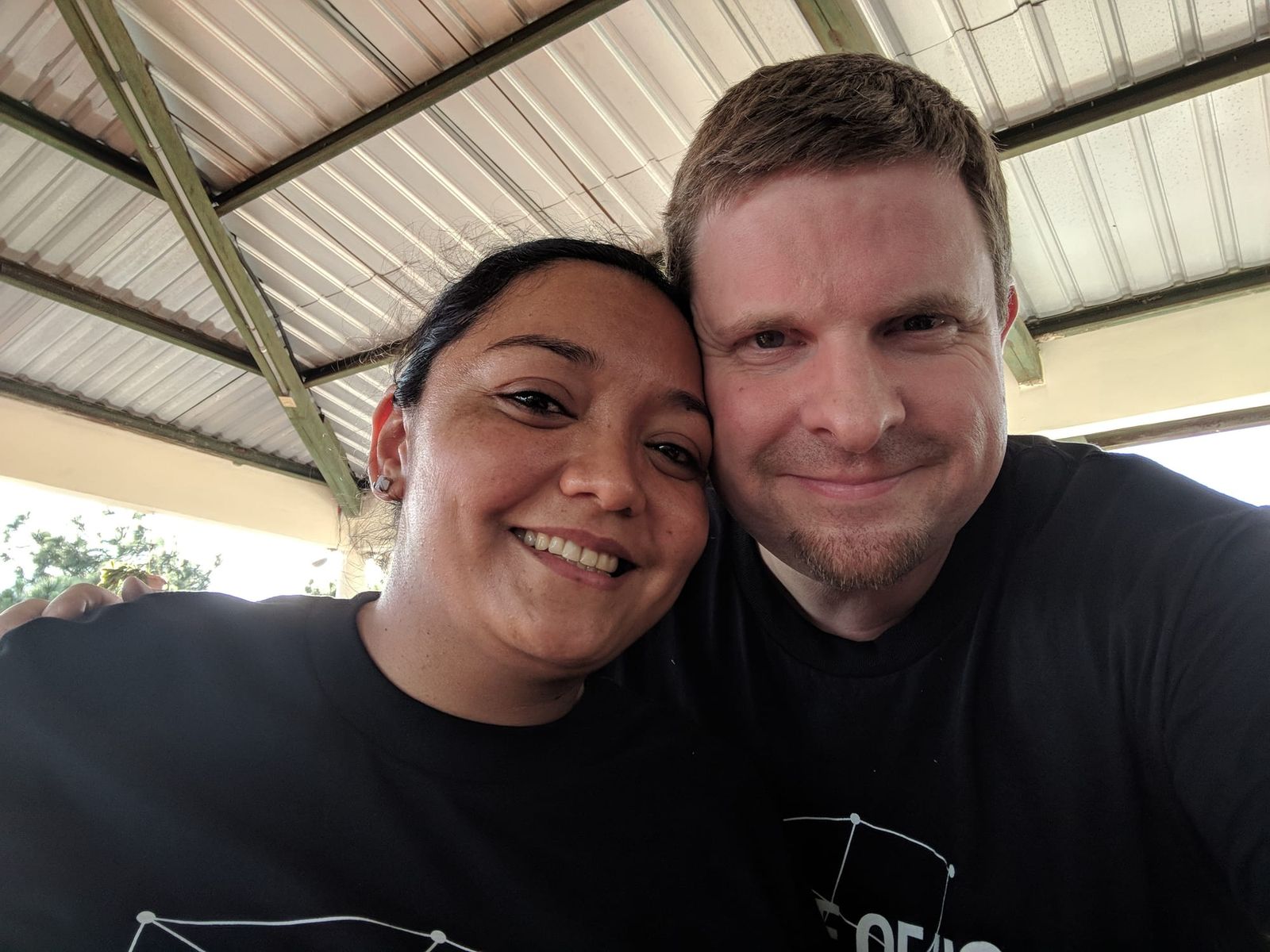
Byron Sommardahl
Byron leads CoMission and built the platform behind it. He has spent years working out what actually helps a church make disciples who go on to make disciples — and what only looks like it does. He writes most of what you have read on this site.
Pamela Sommardahl
Pamela carries the relational half of the work in Honduras — the clinics, the intake conversations, the follow-up that turns a prayer request into someone reading Scripture with a neighbour. Most of the stories on this site started with a conversation she had.
- 1998
Byron begins full-time ministry, with a background in church work, youth ministry, worship ministry, and missions.
- 2009
Byron takes his first trip to Honduras.
- 2010–11
Byron meets Pamela in 2010; they marry in 2011 and begin years of ministry together in Santa Ana, Honduras.
- Early years
Ministry centers on compassionate, practical service — clinical work, home construction, mission-team hosting, and community service.
- A growing awareness
Service creates openings, but many opportunities remain spiritually unfinished. Compassion alone is not enough.
- COVID
The ministry sharpens its center: making disciples who make disciples through the faithful study of God's Word.
- The breakthrough
A seeker-identification effort surfaces many people wanting prayer, Bible study, and follow-up — revealing a deeper problem: not enough disciple makers ready to respond.
- Today
A platform model emerges to steward opportunities more faithfully, and CoMission becomes a broader disciple-making ecosystem — not only a field-service model.
God is already at work. Spiritual hunger is real. The church must be better prepared to respond.
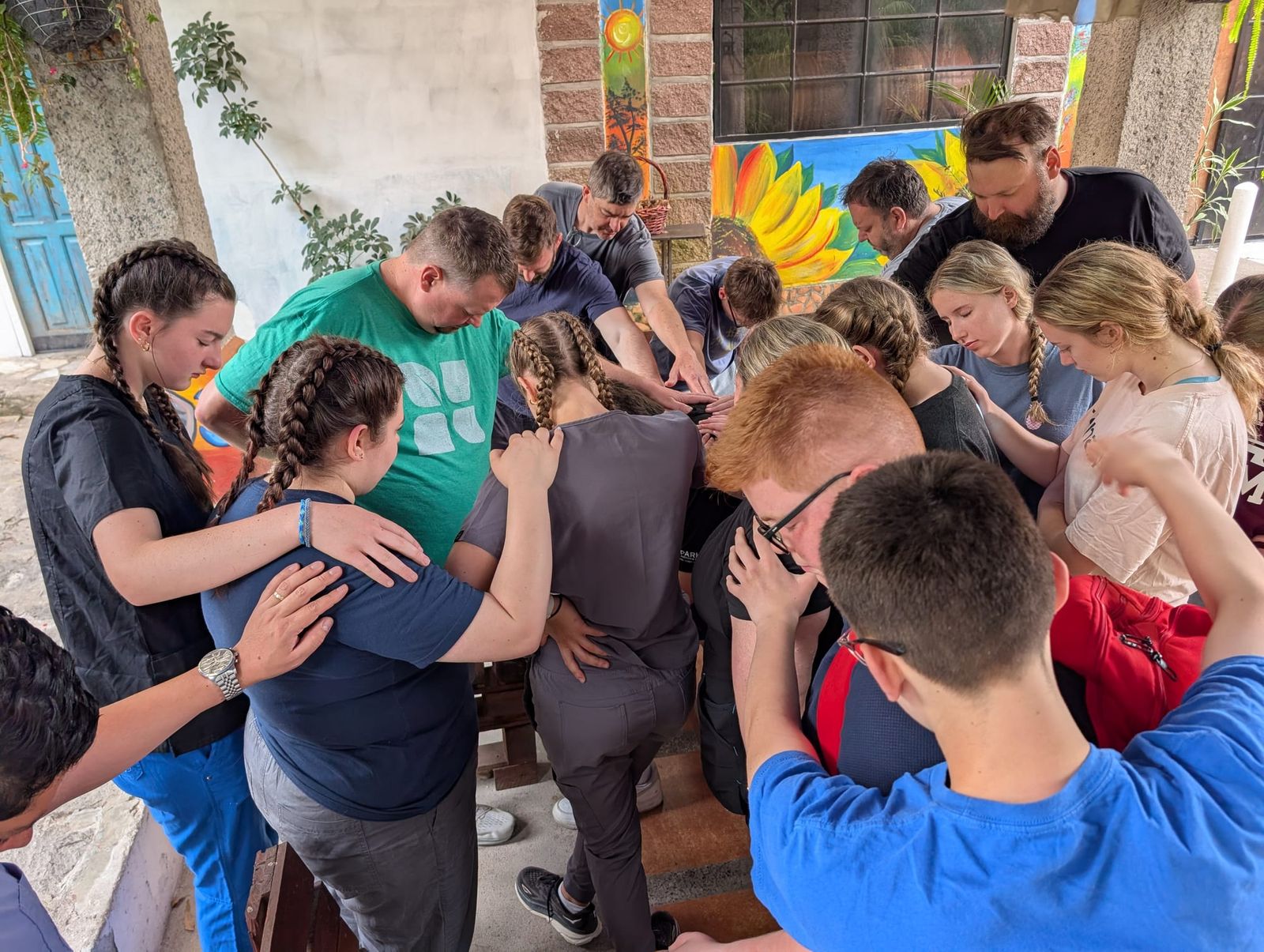
What makes us different
Our core distinctives
We do mission with others.
We solve both sides of the disciple-making problem.
We support multiple roles, not just one.
We are modular.
We integrate compassion and discipleship.
We focus on multiplication.
Financial accountability
The questions a missions committee asks before it calls
You should not have to start a conversation to find out how a ministry handles money. Here is what we can tell you on a public page, and how to get the rest.
- Gifts are received and receipted by Christian Ministry Alliance. CoMission works under the umbrella of Christian Ministry Alliance — a registered 501(c)(3) since 2014 — as its fiscal sponsor. They receive the gift, issue the receipt and disburse the funds, which means the name on a receipt is theirs rather than ours, and an organization outside this one sees where the money goes.
- Nobody decides alone. Decisions about how support is used are made together rather than by one person, and against the plan a partner church was shown — not reallocated quietly when something else looks more urgent.
- Support goes to the work, and we say so on the page that asks for it. Support given to a particular piece of the work goes to that work rather than into a general pot, and which work it is gets said on the page that asks — not discovered afterwards.
- Two bases, and it is a stewardship fact rather than a pitch. We work from Honduras and from Tennessee, and Central American churches are served from Honduras. Serving Honduras from Honduras costs a fraction of flying in from the States — which means the same support funds materially more than it otherwise would.
- The reporting is the accountability. Every quarter, what happened and what didn’t, with the numbers we hold ourselves to. A ministry that only reports its good quarters is not reporting.
Happy to send our financial and tax details to any church that asks — the entity, the oversight, and the financials themselves. Ask us for them.
Your next step
Put the whole cycle to work
Identify, Equip and Connect — a cycle, not a funnel. The guide walks you through setting up all three, with a checklist for your situation: on your own, in a small group, across a church, or through a ministry.
Get startedWant the mechanics rather than the history? See how it works.