Become a Sponsoring Church
Some churches will never be able to hire a consultant. Some churches can send one.
The kind of congregation this is for, why they cannot do it alone, and what a church on the other end of it actually receives.
One church
The church at the end of the road
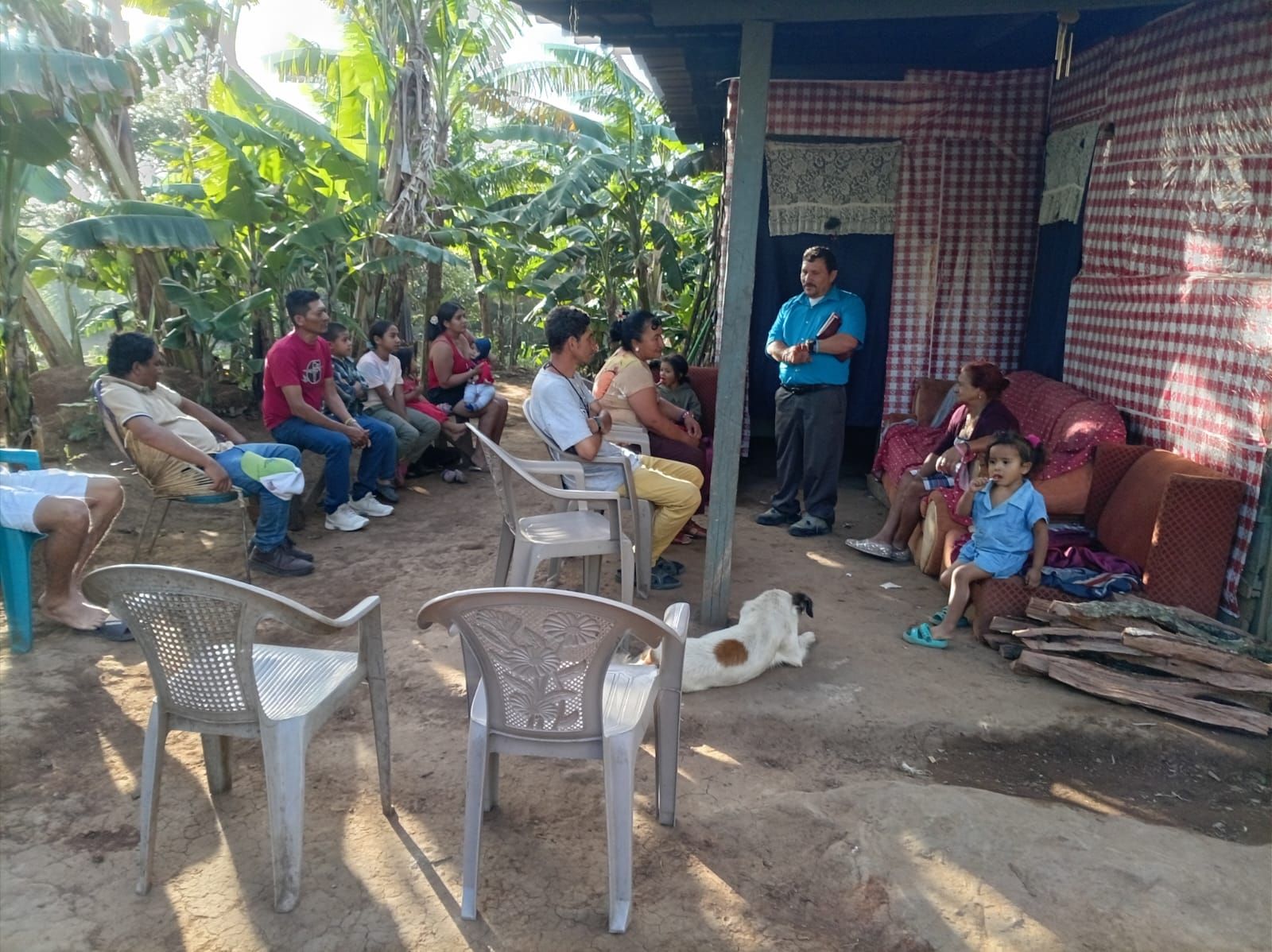
A congregation in the southern mountains of Honduras can no more budget for training than it can budget for a second building. It is not unwillingness. The leaders are ready, the members are ready, and the years of relationship in that community are already there — a church leader who has buried people from most of the families in the valley does not need to be persuaded that they matter.
What is missing is someone to walk them through it. Not a conference, not a box of materials in a language nobody there reads comfortably — someone who comes back next month, and the month after, and asks how the thing you tried actually went.
Churches in the United States have asked us how they can be part of that. So we started matching them: one congregation there, one congregation here, and a relationship that outlasts anybody’s enthusiasm for it.
What actually happened
In the last twelve months, in Santa Ana
Counted August 2026
- 540
- people asked for prayer at the clinic
- 45
- of them opened a Bible with someone
- 5
- are now leading a study of their own
- 3
- generations deep — a disciple of a disciple of a disciple
Counted, not estimated. We would rather publish a small number we can stand behind than a large one we cannot.
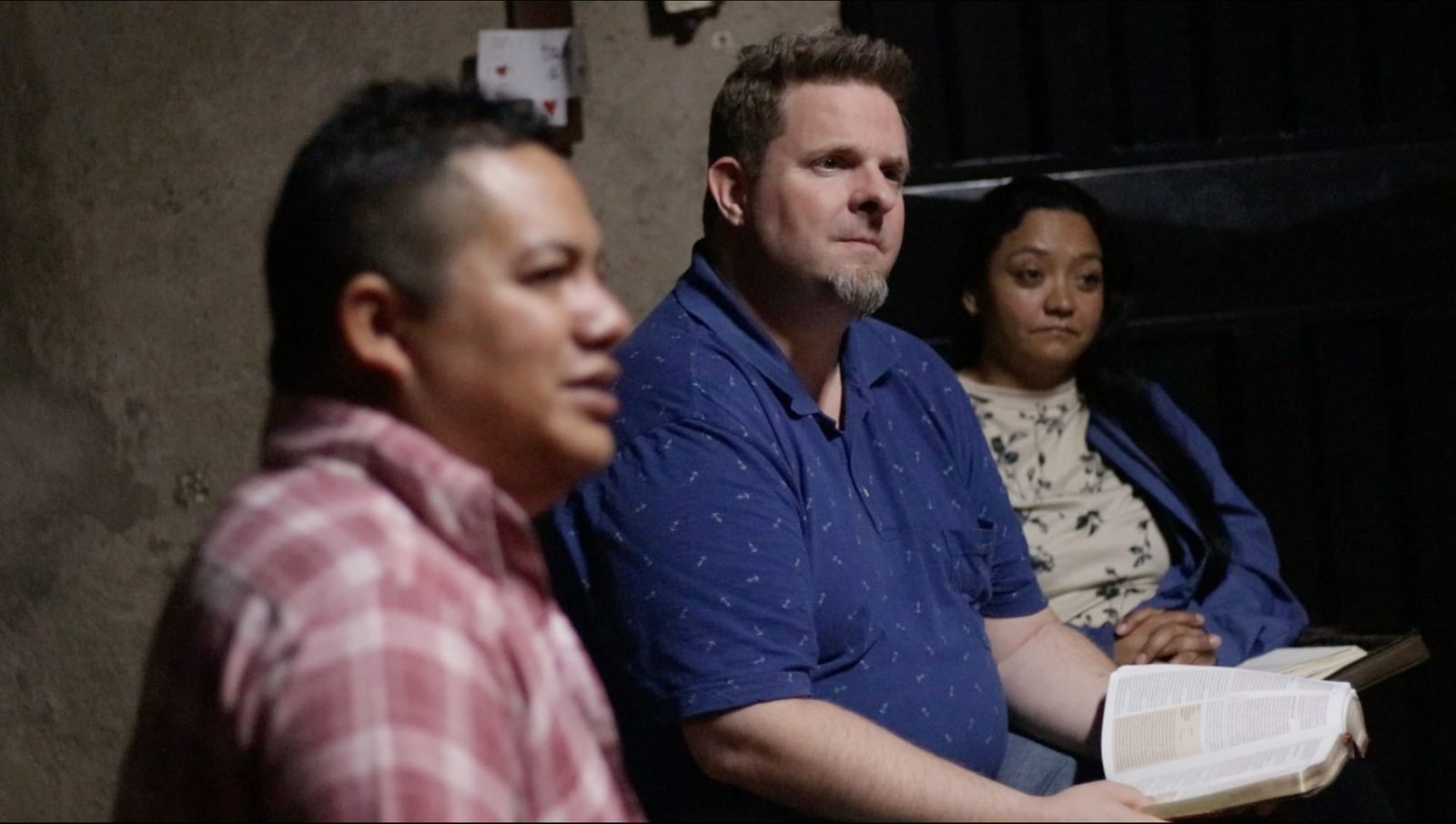
One of them, by name.
What a partner church actually receives
It is a relationship, and it is legible
Not a plaque and a mention in the bulletin. Four things, and every one of them is something your congregation can see for itself.
- A church by name, and a leader by name. A congregation, a community — introduced to you, and yours to pray for by name rather than in the abstract.
- A quarterly report written for your congregation. With photographs, first names, and the two numbers we hold ourselves to: how many people are making disciples, and how many generations deep it has gone.
- A standing invitation to come and meet them. A week in the field does more for a missions committee than any report we could write.
- Full access, for your own church, to everything we have built. Every course, plan, and study — free, exactly as it is for everyone else.
Where your support actually goes
Your support goes to the whole work, not into one church’s account
That is deliberate, and we would rather you heard it from us than worked it out later: it means the church you are matched with is served by the best people we have and for the right length of time, rather than only by what one congregation happened to raise that year. You get the relationship; the work gets the stability.
If you would rather stand behind one specific, finishable thing instead — a leader’s training, a cohort, a year of coaching — that is a real option too. We will put the actual numbers in front of you when we talk.
The field report
Read the report this church appears in
Every quarter we write up what actually happened — who was trained, how many people opened a Bible for the first time, how deep the multiplication went, and what got harder. It is the same report our partner churches read, and it is the honest way to decide whether you want to be one.
Ready to talk instead? Start the conversation.