Identify · Equip · Connect
A framework for making disciples who make disciples
Identify the people God is already drawing. Equip believers to open the Bible with anyone. Connect what happens next — so people come to follow Jesus, and go on to help someone else do the same, generation after generation.
This isn’t something you buy. It’s something you run — as a church, a small group, or one believer who would rather take part in what Jesus is doing than watch it happen.
One story, all the way through
She isn't the end of the line — she's the beginning of the next one
A woman comes to Clínica de Esperanza in Santa Ana for something ordinary. On her way out she passes a prayer box, and she writes something down — a real thing, the kind you only write when nobody is watching.
That slip does not go in a drawer. It gets routed to someone who lives near her, and a few days later a woman from a church nearby is sitting with her and an open Bible. They start Come and See. Read a passage, tell it back, answer four questions, decide what to obey this week.
Eight months later she is doing that with someone else — someone who came through the same clinic, past the same box. She isn't the end of the line. She's the beginning of the next one.
This is the work we have been doing in the southern mountains of Honduras since 2011 — built first in Spanish, with people who often can't read well, and built to work anywhere.
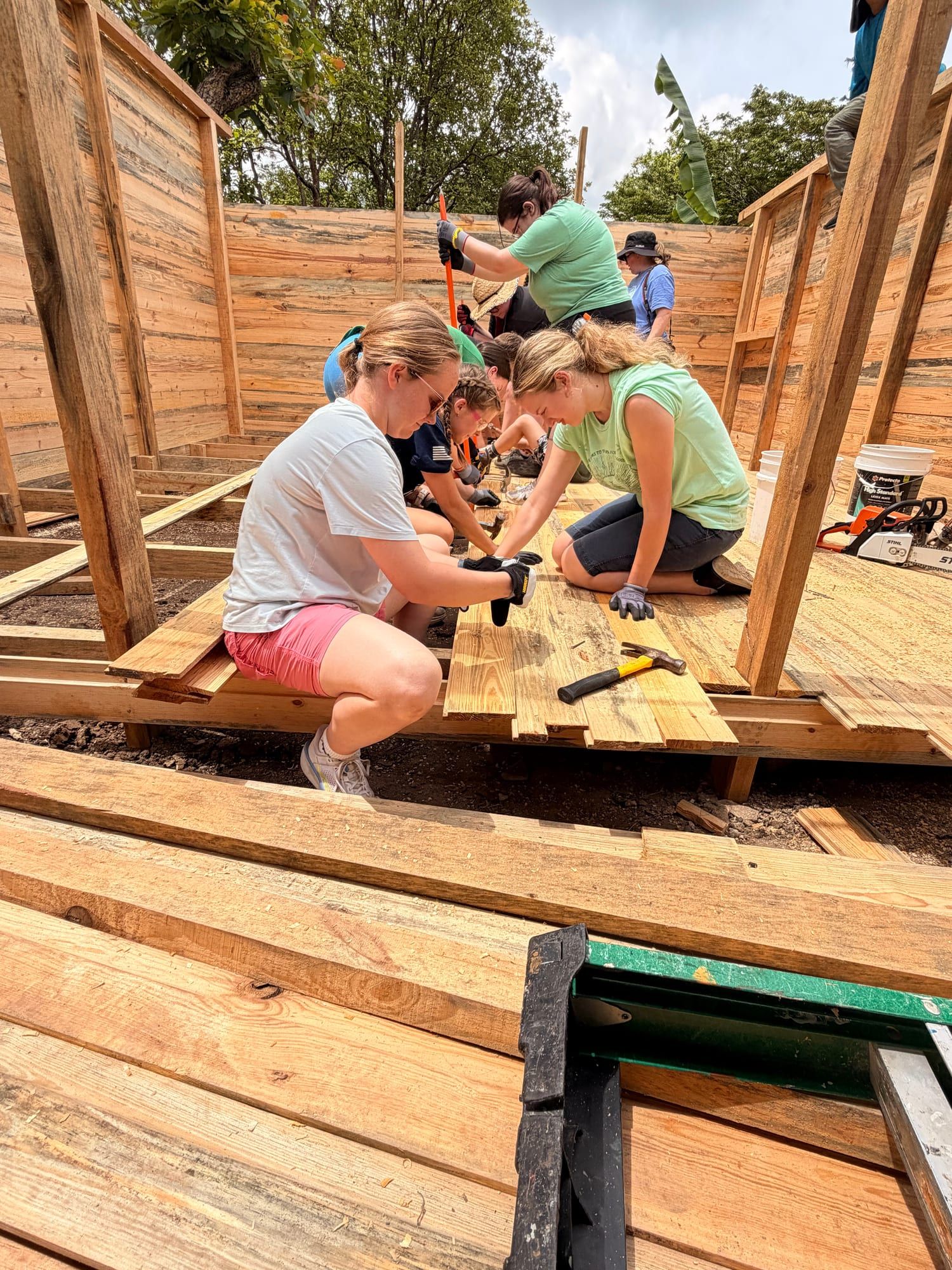
How multiplication starts
Start a chain reaction of discipleship
Three movements, repeated in one community or one church until the pattern carries itself. It is not a funnel with an end — the person at the end of one turn, who has just begun to follow Jesus, is the one who begins the next. This is the process CoMission repeats wherever it works, and there is nothing in it you could not start yourself.
Identify
Look for the spiritually open people life already brings near you — at a clinic, a prayer box, a service week, a conversation after church.
Equip
Teach ordinary believers to open the Bible with someone else. A passage, four questions, and something to obey this week.
Connect
Put the seeker and the disciple maker in the same room, and let the follow-up belong to a local church that is already there.
Then it turns again, one person further out. That is the chain reaction: a disciple who makes a disciple, who makes another.
Three doors
Where do you come into this?
Open the Bible
You want to read it — or help someone else meet Jesus in it for the first time. Start with a passage, four questions, and a way to keep going.
Start hereBuild Disciple Makers
You lead a church or a ministry, and you want disciple making to be its normal pattern rather than a program. We build that way with you — and give away the tools.
Equip Every BelieverThe Learning Library
See what already exists
The studies, the plans, and the classes are not a promise — they are built, translated, and in use. Here is one, working.
- 57
- study plans
- 689
- studies
- 27
- classes
- 5
- languages
Come and See
Cycle 1 · Who is Jesus?
God welcomes the lost home
The four questions
- What does this teach me about God?
- What does this teach me about people — and about me?
- What will I obey this week?
- Who will I tell?
God, if you are really like this father, thank you. Help me see whether this is truly who you are.
How to lead one
Free, in both languages, no signup.
What actually happened
In the last twelve months, in Santa Ana
Counted August 2026
- 540
- people asked for prayer at the clinic
- 45
- of them opened a Bible with someone
- 5
- are now leading a study of their own
- 3
- generations deep — a disciple of a disciple of a disciple
Counted, not estimated. We would rather publish a small number we can stand behind than a large one we cannot.
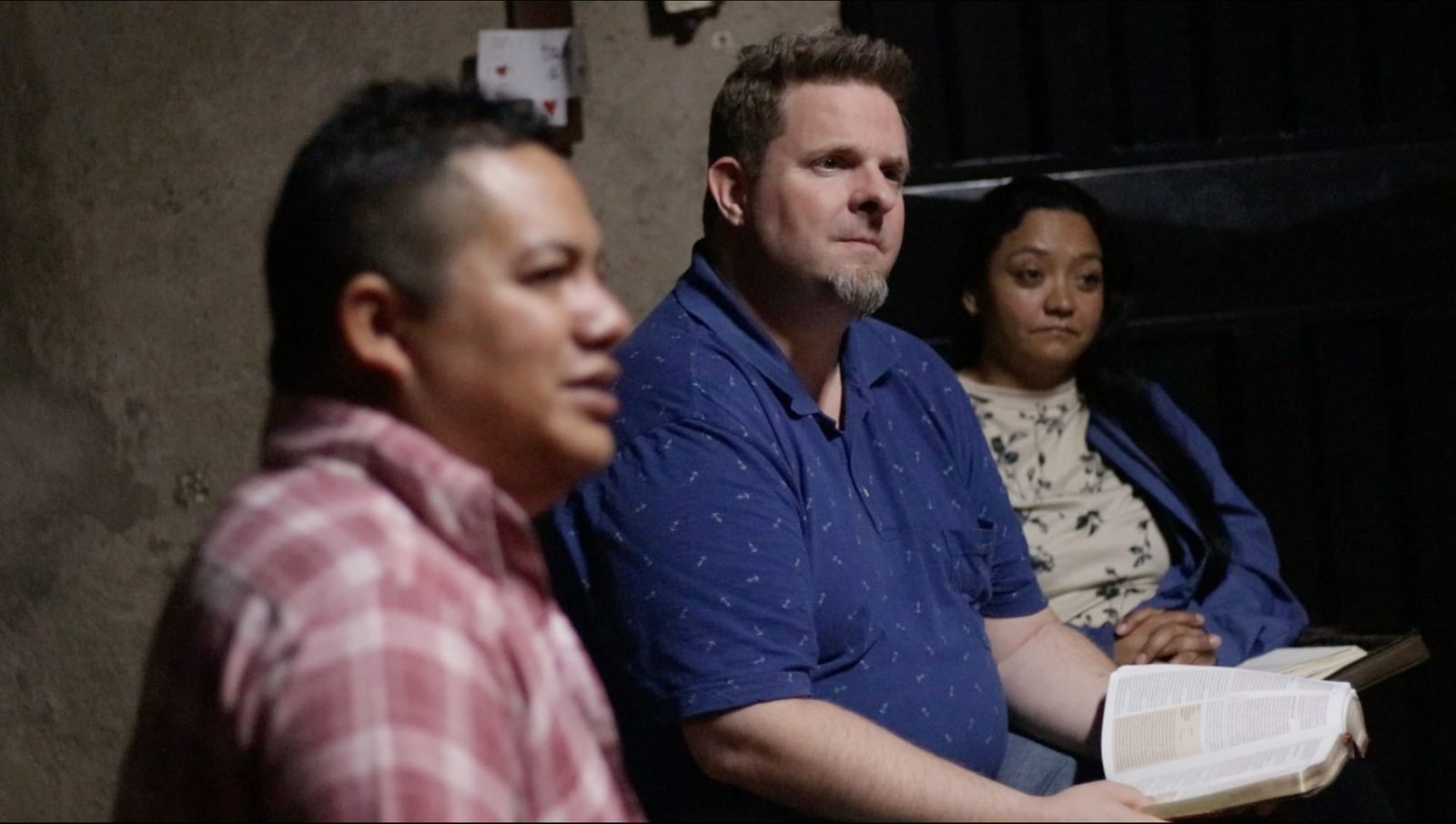
One of them, by name.
Your next step
Put the whole cycle to work
Identify, Equip and Connect — a cycle, not a funnel. The guide walks you through setting up all three, with a checklist for your situation: on your own, in a small group, across a church, or through a ministry.
Get startedPrefer to see the material first? Browse the classes