For churches standing behind the work
Partner with us
A partnership means we know your congregation, you know the church you're helping, and both of us know what we're aiming at.
We don't take money from a church we haven't talked to.
That's not a policy we're proud of enforcing — it's just how this works. A partnership means we know your congregation, you know the church you're helping, and both of us know what we're aiming at. None of that can start with a form.
Before anyone commits to anything
What a partnership usually looks like from the outside
Four steps, in this order. There is no obligation at any of them.
- You read the field report.
Four times a year, what happened and what didn’t.
- We talk.
A call, or a Tuesday night with your missions committee, or a Sunday if we're stateside.
- You meet the church.
Sometimes by video. Better, by sending a team.
- You decide what part you want.
Some churches fund a whole implementation. Some cover a single leader's training. Some pray and send people. We'll tell you plainly what's needed and what it takes.
There's no obligation at any step, and no amount attached to this page on purpose — what a church can carry differs enormously, and we'd rather ask the right question than post a number.
Who you would be partnering with
A partnership is with people, not with an organization
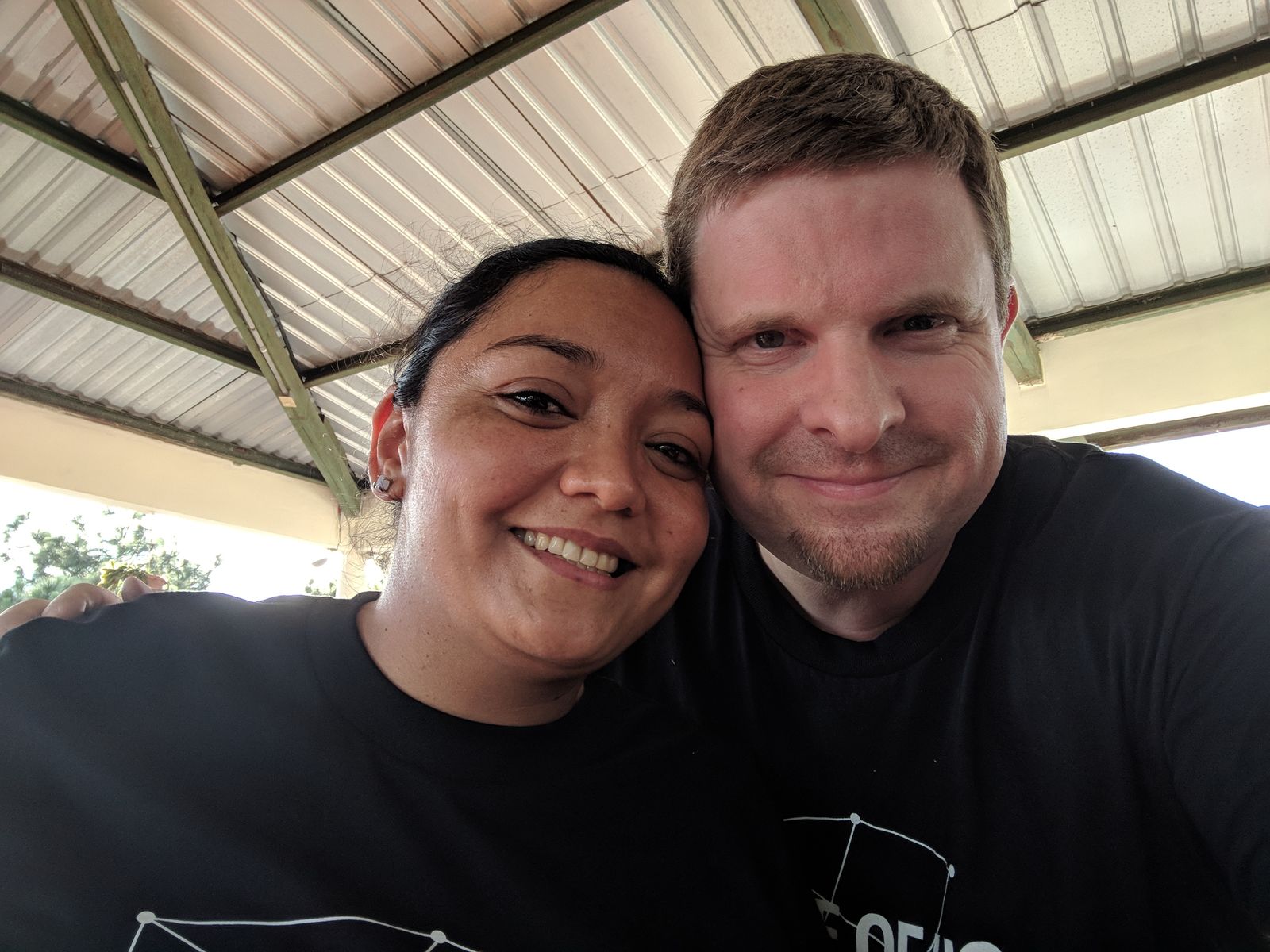
Byron and Pamela have led this work since it was a handful of conversations in Santa Ana. If a committee wants to know who they would be dealing with, this is who.
Byron Sommardahl
Byron leads CoMission and built the platform behind it. He has spent years working out what actually helps a church make disciples who go on to make disciples — and what only looks like it does. He writes most of what you have read on this site.
Pamela Sommardahl
Pamela carries the relational half of the work in Honduras — the clinics, the intake conversations, the follow-up that turns a prayer request into someone reading Scripture with a neighbour. Most of the stories on this site started with a conversation she had.
Start a conversation
Tell us about your church
Who you are, what your congregation already cares about, and what you'd want to know first. We'll write back — a person, not a sequence.
Send us a note
We read every message and will follow up personally.
Not ready for that yet? Just start with the field report.
The field report
We'd rather show you than tell you.
Every quarter we write up what actually happened — who was trained, how many people opened a Bible for the first time, how deep the multiplication went, and what got harder. It's the same report our partner churches read. Ask for it, and we'll send the current one.