Equip every believer to make disciples who multiply
“We're good at gathering people. I'm not sure we're making disciples.”
If you've said something like that out loud — or only to yourself — this page is for you. Your most strategic role isn't to do all the disciple making yourself; it's to build a church full of disciple makers. CoMission helps you get there, and you keep control the whole way.
Free, and yours to run. One hour with a few willing believers is the whole first step — and the full setup for Identify, Equip and Connect is on the same page, for when you want it.
Two ways to do this
You can run the framework without us
Identify, Equip, Connect is not a service you buy. Everything the method needs is published and free, in English and Spanish. Bringing us in is help with running it — never the price of admission.
Run it yourself
Take the framework, the curriculum and the study plans and start with the people already in front of you. Nothing is held back, and nothing asks you to have a conversation with us first.
Get startedGet our help running it
A guided implementation: we work alongside your leaders for a season, get the systems running, and hand them over. Fees vary with size and with how long the engagement runs.
Meet the Discipleship CoachWhat you are aiming at
Six months from now, this is what different looks like
Not a bigger crowd. The same people you already have, doing something they have never done before.
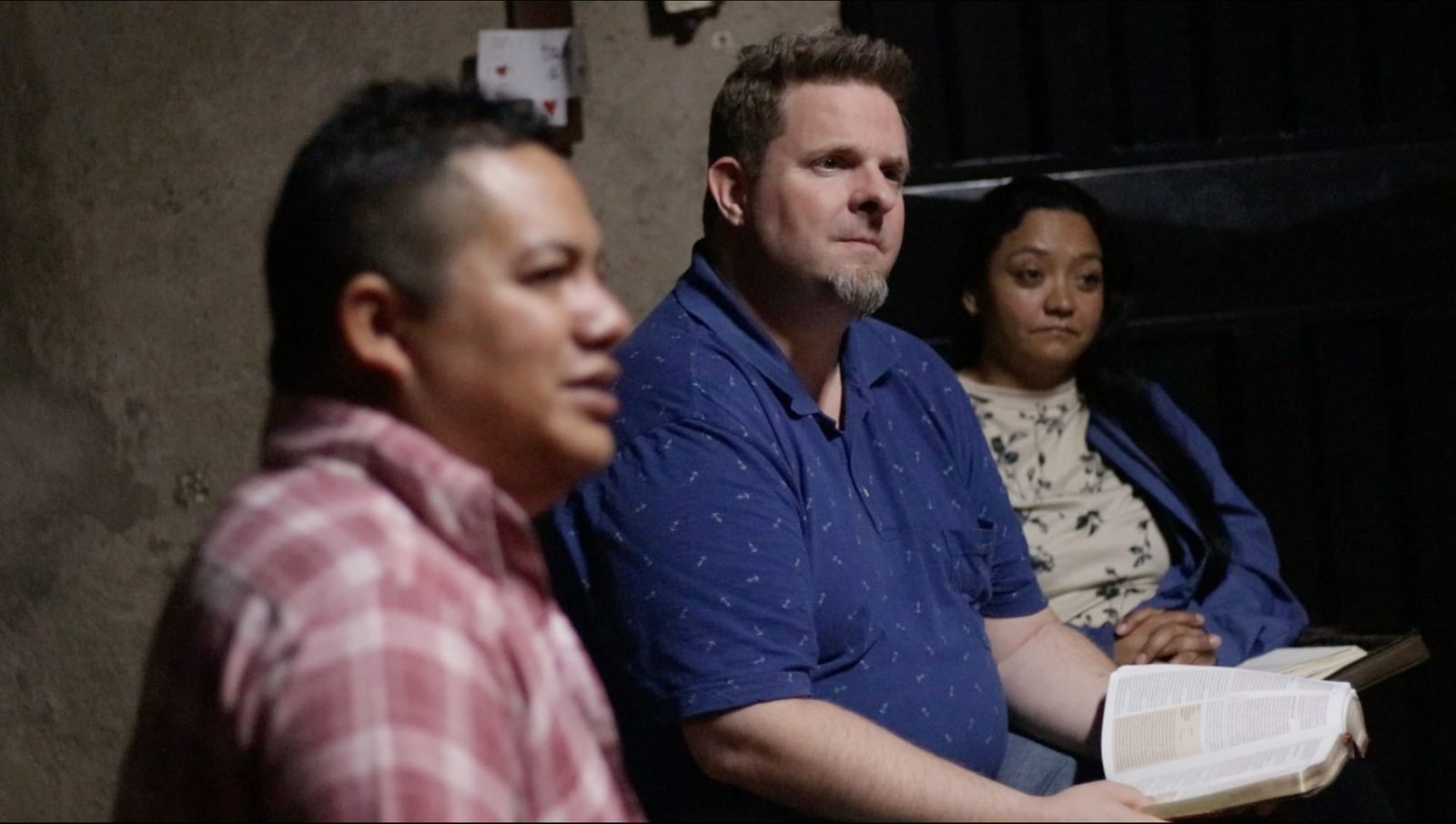
- People from your congregation are sitting down with neighbours who do not come to your church, with an open Bible between them.
- Studies are running in homes midweek, led by members you did not have to recruit from the platform.
- Someone brings you a prayer request from their own street instead of another idea for an event.
- A believer who came to faith this year is walking a cousin through their first passage.
- The testimonies on a Sunday are about people and obedience rather than attendance and activities.
None of that needs a new program. It needs a few believers who know how to open the Bible with someone and help them follow Jesus — and that is a thing you can teach.
The shift
From invitation culture to disciple-making culture
Many churches are good at inviting but not yet built to disciple. CoMission helps make Bible-centered disciple making the normal, expected pattern of church life.
- Making disciples of Jesus must be central — not an add-on program.
- Many members need discipling themselves before they can disciple anyone else.
- Your church needs more disciple makers, not just more attenders.
- Ordinary members opening Scripture with people who do not yet follow Jesus — normal, not exceptional.
For church leaders
Build a church full of disciple makers
Equip members with tools for the Word
Give ordinary believers what they need to help someone meet Jesus in Scripture — and keep following him afterwards.
Build internal disciple-making culture first
A church full of disciple makers begins inside the church, before it reaches outside it.
Send them past the church doors
Most of the people God is drawing near are not in your building yet. They are reached one open Bible at a time, by a member who already knows them.
Train members, not just invite them
Move beyond invitation culture by equipping members to make disciples.
The proof is a diagnosis
The questions worth asking of your church
Not attendance, budgets, or buildings — whether your church is making disciples who make disciples. Three of the twelve we come back to:
The Leader Goes First
Do the church’s leaders personally make disciples — not just preach about it?
The Scoreboard
What does the church actually count, celebrate, and report?
Release, Not Control
Do leaders work themselves out of a job and entrust real responsibility to young believers?
The others cover reproducibility, praying for the harvest, releasing control, new-believer milestones, and more. Answering them honestly changes what you count: not attendance, but how many of your members are making disciples, and how many generations deep those disciples go. That is what the framework is built to move.
Your church stays in control
CoMission exists to strengthen the local church, not replace it. You choose how much of the platform to use — from the disciple-maker side only to a full implementation — and your leaders keep oversight of every seeker and disciple maker in your care.
See how much of it you use →You do not have to launch anything
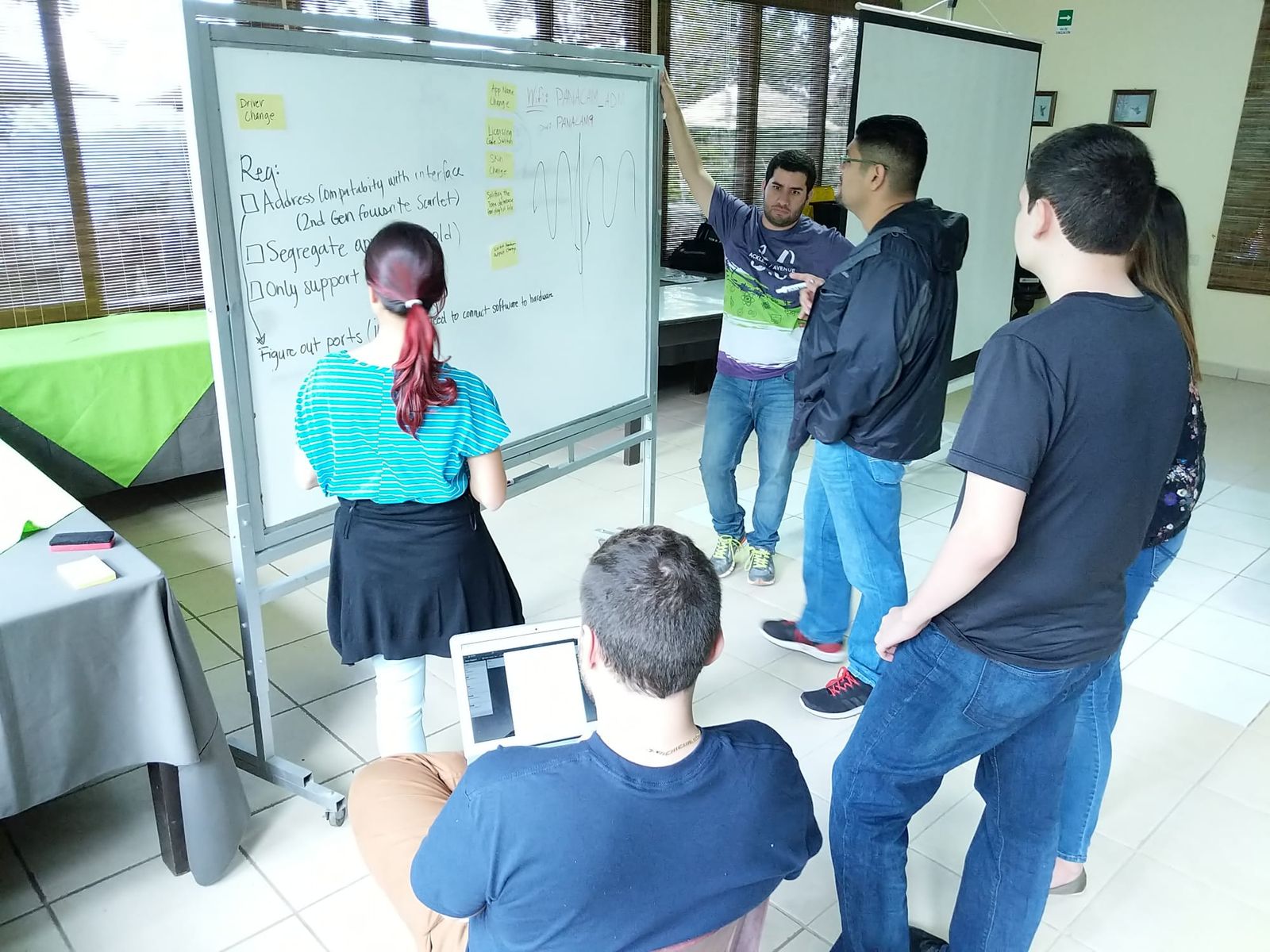
Not a program to adopt. One hour with a few willing believers, and then three parts to get working, in order, at whatever size your church actually is.
Lead a ministry or organization rather than a church? For ministries & organizations →